 Pioneer
Helene Kröller-Müller assembled what is probably the world’s greatest and most comprehensive collection of Neo-Impressionist paintings just two decades after these works were painted. As well as being one of the first European women to put together a major art collection, she was a pioneer in displaying modern works of art on white walls.
Largely drawn from the collection of Helene Kröller-Müller (1869-1939), the exhibition will show radical works of French, Belgian and Dutch artists, painted from 1886 to the early 20th century. These include Jan Toorop (1858-1928), Théo van Rysselberghe (1862-1926), Paul Signac (1863-1935), Georges Seurat (1859-1891), Henry van de Velde (1863-1957) and Anna Boch (1848-1936).
The exhibition will also feature works that Helene did not collect herself. These will come from public and private collections worldwide and from the National Gallery.
Radical Harmony
The exhibition sheds new light on Neo-Impressionism. This 19th-century art movement followed Impressionism. Its serene, meditative character appealed to Helene Kröller-Müller. She saw these works, ‘light and delicate, spiritual in content or colour’, as the perfect counterpart to her Van Gogh collection, ‘powerful, dramatic and heavy, like hammer blows, each one hitting home’.
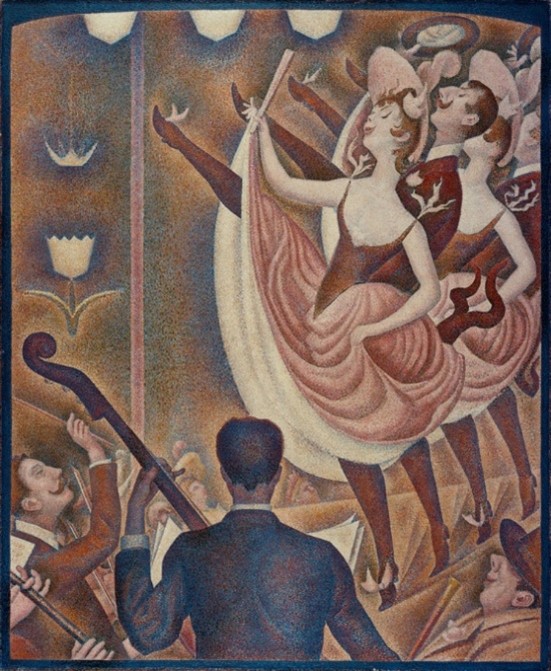
Radical Harmony: Helene Kröller-Müller’s Neo-Impressionists will focus on how this style became one of the very first pan-European art movements. Neo-Impressionism was so radical that some critics of the time saw it as signifying the death of painting, due to the methodical nature of a painting’s production in regular pointillist dots of pure colour, removing an artist’s individuality usually expressed through their brush strokes.
The radical nature of these works will be explored both in the way that they were painted, and in the political underpinnings of the Neo-Impressionist movement.
Benno Tempel, director of the Kröller-Müller Museum: ‘International collaborations, whereby our works are exhibited at other locations, sometimes give rise to new insights. That is also the case here. The appreciation for Helene Kröller-Müller and her foresight is increased as a result’.
Radical Harmony: Helene Kröller-Müller’s Neo-Impressionists is curated by Julien Domercq, Curator, the Royal Academy of Arts, Christopher Riopelle, the Neil Westreich Curator of Post-1800 Paintings at the National Gallery, and Renske Cohen Tervaert, Curator, Kröller Müller Museum.