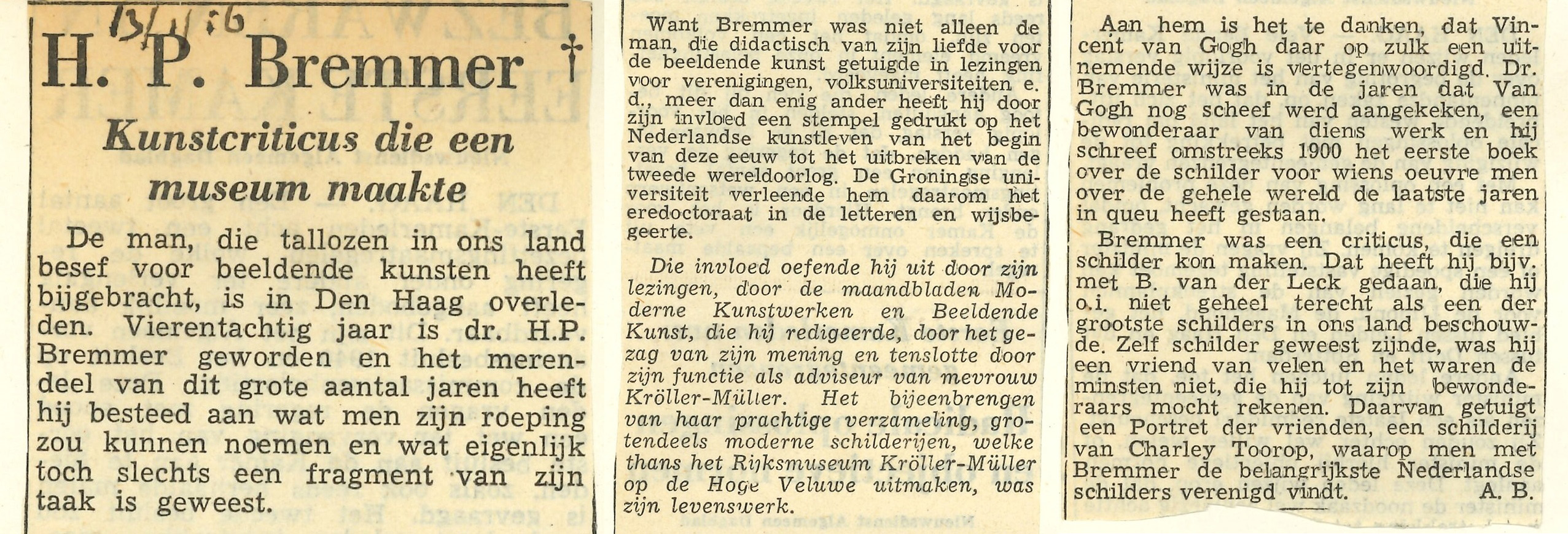
H.P. Bremmer passes away on 10 January 1956. His importance for the collection and the museum can hardly be overestimated. After all, it is thanks to him, as Helene Kröller-Müller’s advisor and her ‘council in all aesthetic matters’, that she assembled such an impressive and sophisticated collection.
Even after her death Bremmer’s influence on the museum remains conspicuous. Hammacher recognizes his knowledge and expertise, but it has certainly not always been easy with the conservative and often stubborn Bremmer in the Oversight Committee. His comment in the annual report is telling: ‘even though Bremmer’s interest in the museum had waned since he was no longer directly and actively involved as a collector, his peculiar, often apodictic remarks still always managed to engender an image of a period in which the experience of living with the work of art evoked a more complete happiness and was considered of higher value than describing and documenting it’.
With the support of the Rembrandt Association, Hammacher acquires three sculptures and four paintings from Bremmer’s collection, including Autumn landscape, ‘one of the finest and most fascinating works that Van Gogh painted in Nuenen’. According to him, it gives ‘an entirely new view […] of Van Gogh’s pictorial ability in this period’.
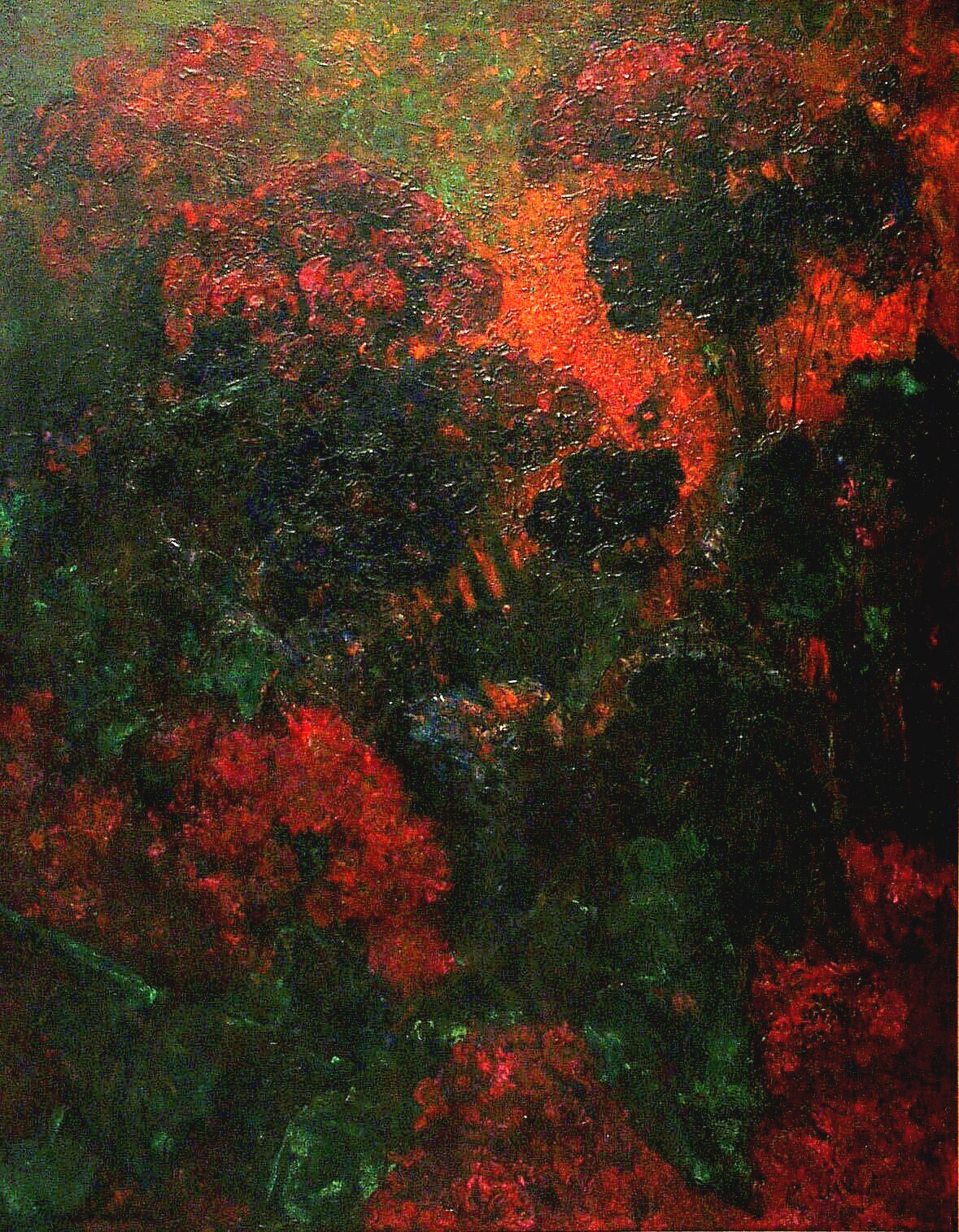
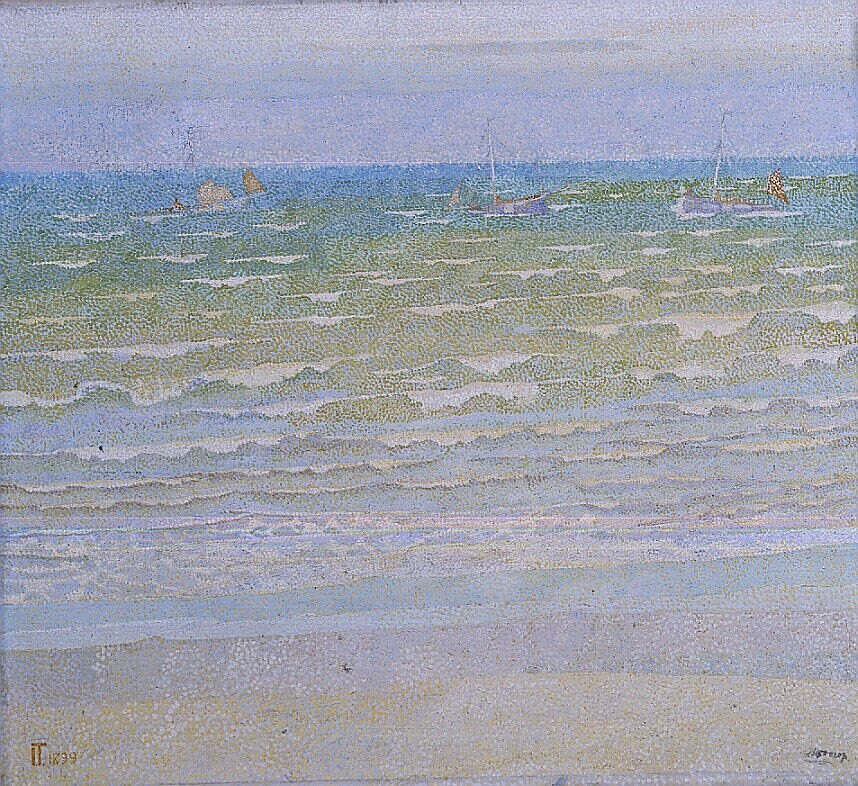
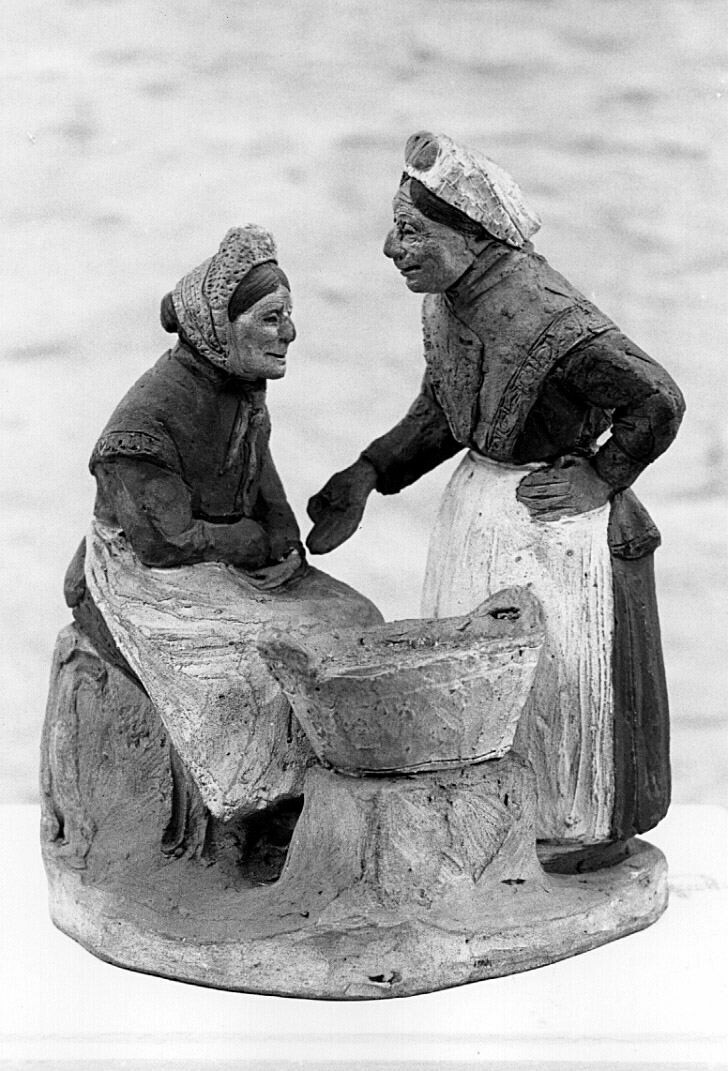
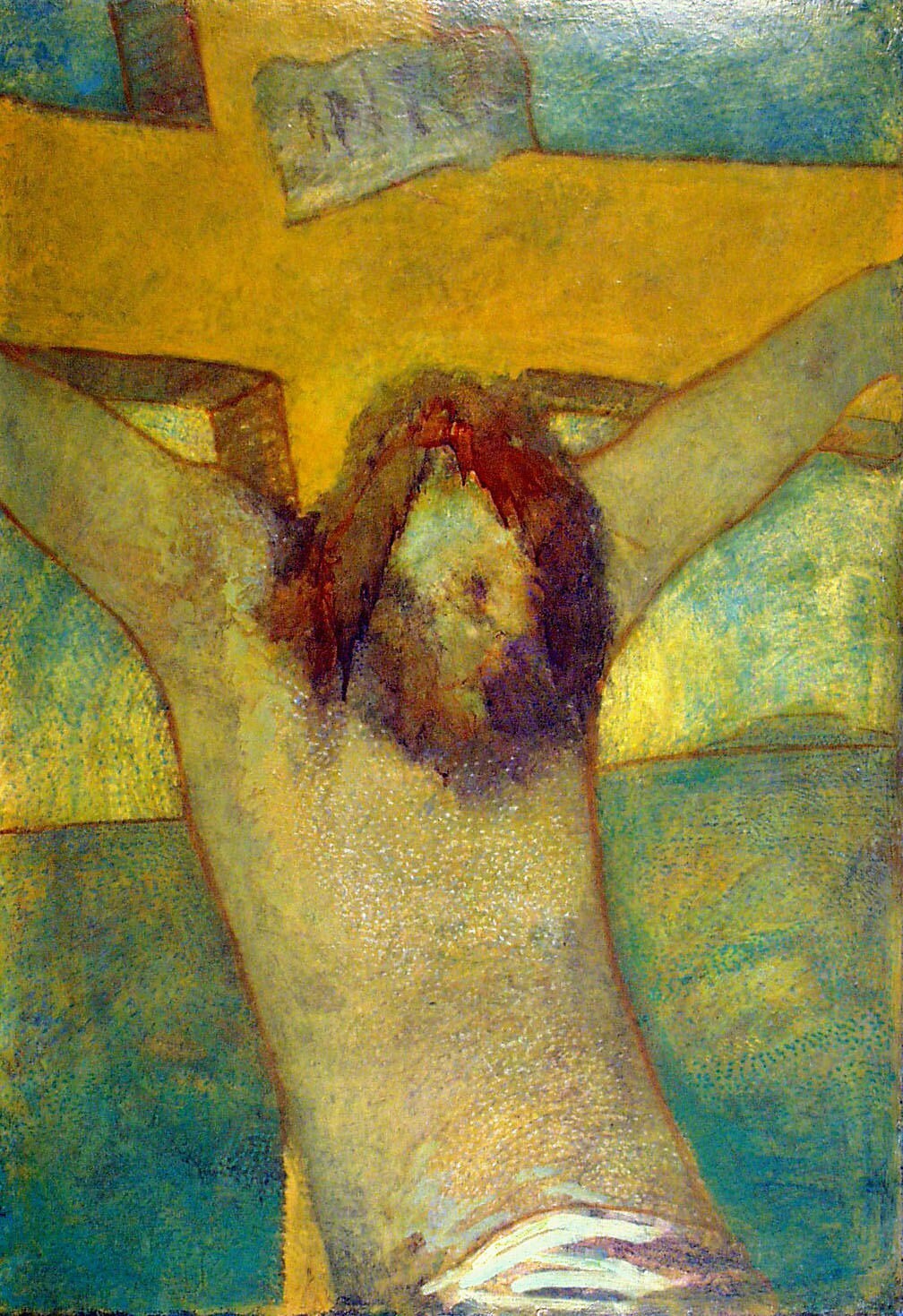
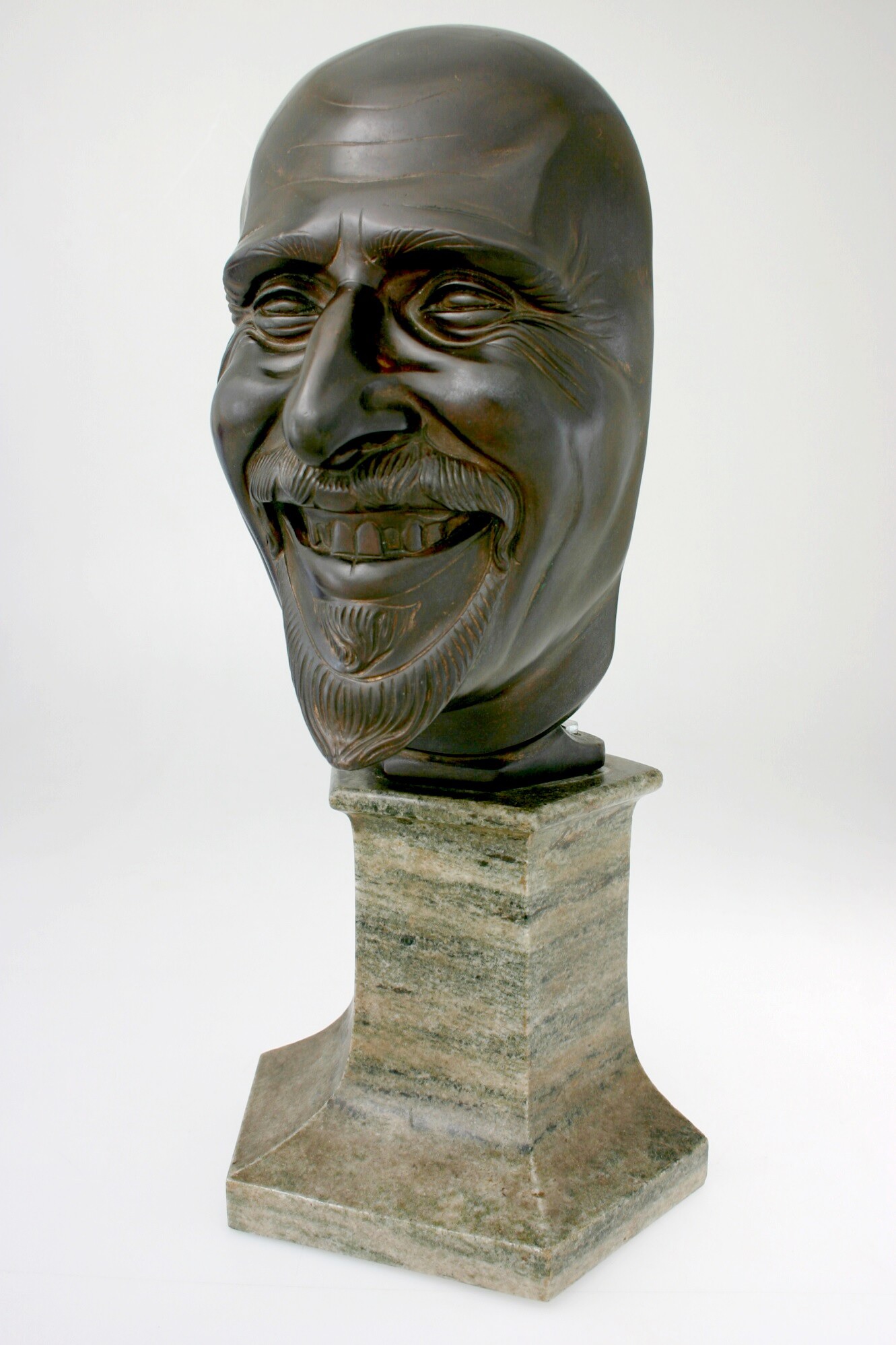
Lambertus Zijl, Peasant, 1916 / Floris Verster, Cinerarias, 1892 / Jan Toorop, Sea, 1899 / Joseph Mendes da Costa, Fishwives, 1929 / Johan Thorn Prikker, Christ on the cross, 1889 / Joseph Mendes da Costa, Self-portrait, 1912